The choice of the next Secretary-General could decide the UN’s fate
Dear friends,
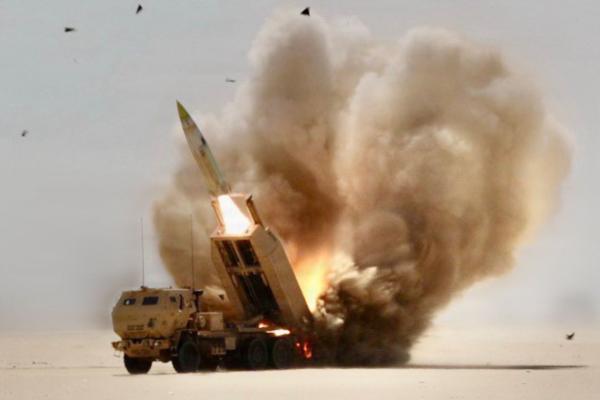
More than two months since the US and Israel began their illegal attacks on Iran, the fallout continues to be felt globally. As peace talks continue to stall, maritime traffic remains blocked in the Strait of Hormuz, and global energy markets show no signs of stabilising. The United Nations Secretary-General might be expected to play a critical role in resolving such a conflict, yet the diminishing scope for political leadership by the UN in recent years has made this impossible.
In January, the UN will welcome a new Secretary-General. This is not a routine appointment, but one with existential implications. Who member states choose to lead the UN will play a crucial role in shaping its future. As emerging candidates come under scrutiny following their participation in online interactive dialogues last month, we must ask: what kind of leadership does the world demand at this moment?
First and foremost, the successful candidate must possess the personal qualities needed to restore the UN’s credible leadership on the world stage. They should serve as a moral anchor, with the political courage and strategic clarity required to speak truth to power. This means acting independently – not constrained by political caution or beholden to the governments they are meant to hold to account. They must have the courage to take principled positions, even when they are unpopular.
In today’s world, this may all sound rather naïve. But a UN without an empowered Secretary-General is a UN that cannot fulfil its primary purpose: to save succeeding generations from the scourge of war. It is a UN that becomes increasingly irrelevant in a violent and chaotic "might is right" world.
It is for all UN member states to choose a Secretary-General, not just the permanent members of the Security Council. The General Assembly must make full use of its leverage in the appointment of a recommended candidate, including the prerogative to reject a recommendation.
For eight decades, the office has been held by men. The gender imbalance at the top of the UN is undeniable, but addressing it must go beyond symbolism. What is needed is a transparent, merit-based process that selects a credible, independent and globally respected leader – chosen not on gender alone.
There is no escaping the scale of the task ahead. Trygve Lie, the first UN Secretary-General, described it as ‘the most impossible job in the world’. Today, it is harder still.
As Elders, we will not intervene publicly on behalf of any individual candidate. However, we will continue to advocate for courageous leadership to address shared existential threats, and we are looking forward, as a group, to support the next Secretary-General in her work.
With thanks for your ongoing support,
Zeid Ra’ad Al Hussein