Defend the International Criminal Court or give a green light to atrocity crimes
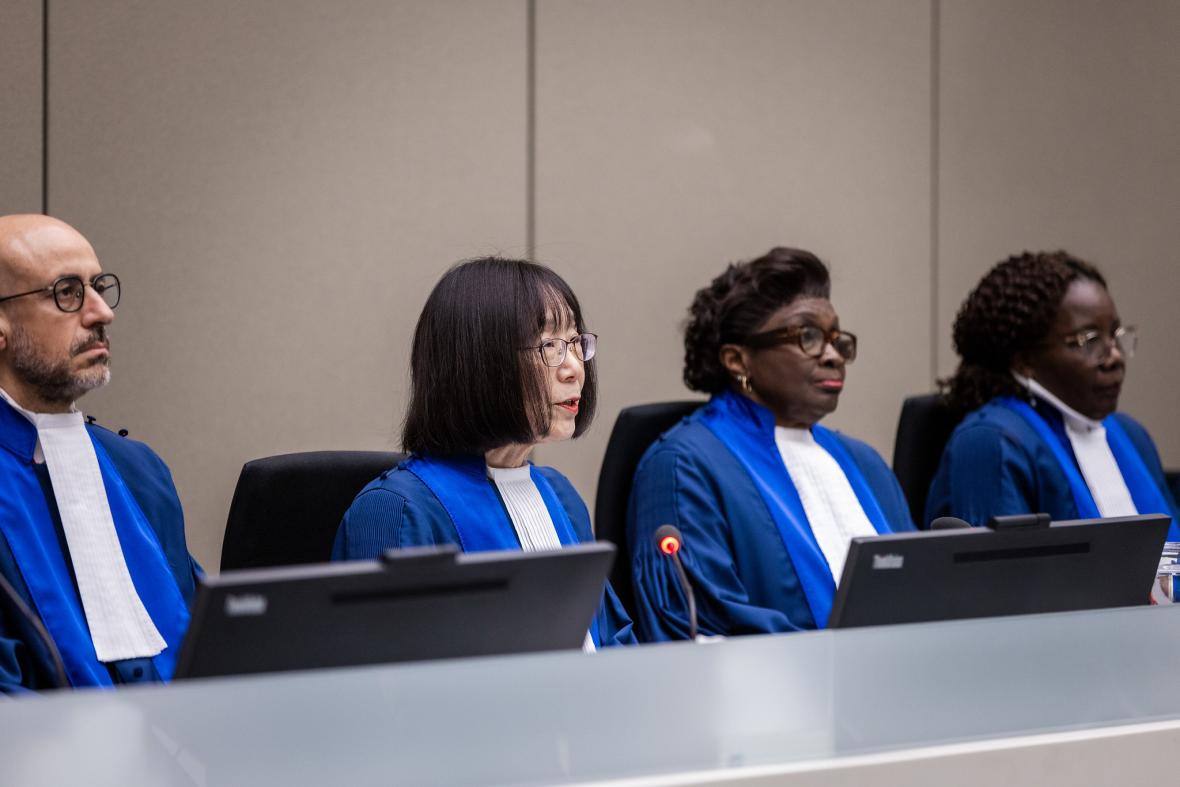
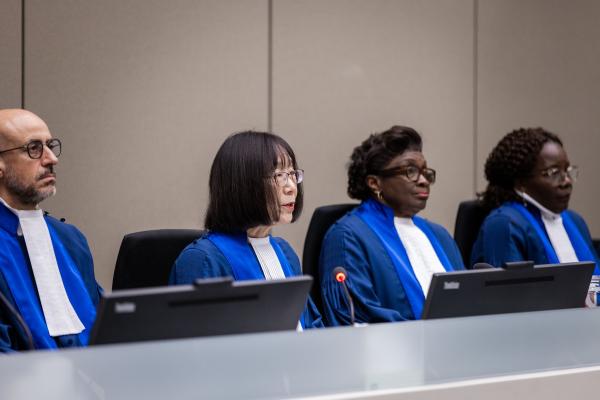
STATEMENT: The International Criminal Court is a cornerstone of international justice. It embodies the principle that no one is above the law.
US sanctions against the ICC are an unprecedented attack on the international rule of law, and on the rights of victims of mass atrocities everywhere.
We urge all 125 ICC member countries to defend the Court and its mandate at the Assembly of States Parties to the Rome Statute, when they meet in The Hague from 30 November.
The ICC is under attack precisely because it has teeth. It challenges the abuse of power, and impunity for the abusers, at the highest level. As a court of last resort, the ICC acts only when national governments are unwilling or unable to prosecute. From war crimes in Ukraine and Gaza to genocide in Sudan, from crimes against humanity in the Philippines to gender persecution in Afghanistan, the Court offers a path to justice for victims of atrocity crimes around the world. At a time when conflicts are worsening globally, its mission is more important than ever.
If a single, powerful state is allowed to destroy the ICC, it may never be re-built. Its demise would reinforce impunity while mass atrocities are becoming normalised.
Attempts to limit the Court’s jurisdiction or interfere with its independence would undermine its legitimacy and deny victims the right to justice.
Protective measures are needed now so the ICC can continue its work. The EU Blocking Statute should be activated without delay, to protect non-US operators providing services to the ICC. States Parties must find practical ways to ensure the Court can function in the event that sanctions come fully into force in April 2027, including access to banking and other essential services.
It is also vital to protect organisations and individuals who co-operate with the ICC’s investigations, and provide services such as reparations and victim support.
We regret that some states - Burkina Faso, Chad, Mali, Niger and Venezuela - have recently decided to withdraw from the ICC. We call on political leaders in those states to reverse their decisions, and encourage any other government facing political pressure to stand firm and play its part in ensuring the ICC can continue to take action against impunity.
The ICC serves all humanity. Its survival depends on the will of its members to stand united and defend its work.
ENDS
Juan Manuel Santos, former President of Colombia, Nobel Peace Laureate and Chair of The Elders
Graça Machel, Founder of the Graça Machel Trust, Co-founder and Deputy Chair of The Elders
Gro Harlem Brundtland, former Prime Minister of Norway and former Director-General of the WHO
Helen Clark, former Prime Minister of New Zealand and former head of the UN Development Programme
Elbegdorj Tsakhia, former President and Prime Minister of Mongolia
Zeid Ra'ad Al Hussein, former UN High Commissioner for Human Rights
Hina Jilani, Advocate of the Supreme Court of Pakistan and co-chair of the Taskforce on Justice
Ellen Johnson Sirleaf, former President of Liberia and Nobel Peace Laureate
Denis Mukwege, physician and human rights advocate, Nobel Peace Laureate
Mary Robinson, former President of Ireland and former UN High Commissioner for Human Rights
Ernesto Zedillo, former President of Mexico
Related Content
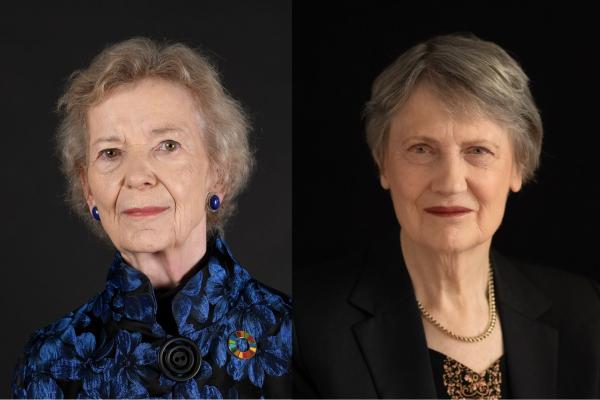
Mary Robinson and Helen Clark react to Israeli settlement trade ban by UK and others
Mary Robinson and Helen Clark react to the steps announced by the UK and other governments to ban trade with Israeli settlements.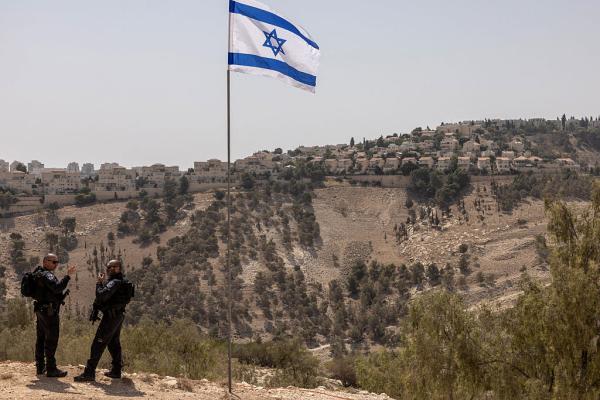
E1 is a deliberate Israeli attempt to destroy a two-state solution. Governments must act now.
E1 is a deliberate Israeli attempt to destroy a two-state solution. Governments must act now.